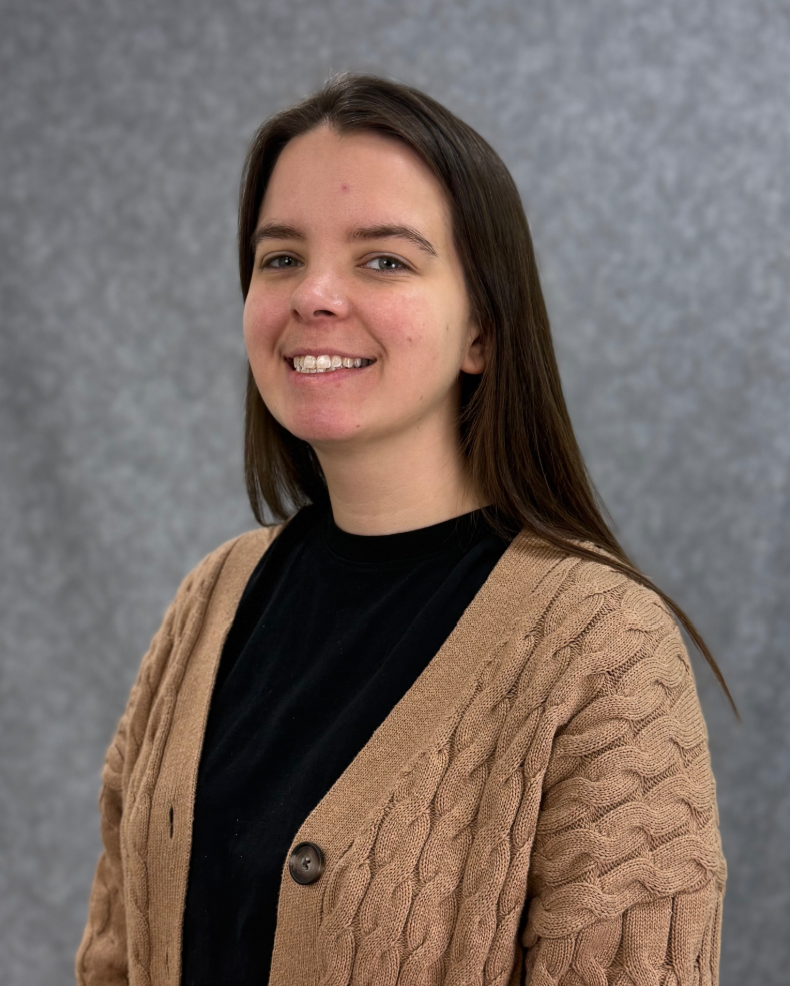
From Bishop Burgos: Why hope is winning: What I saw, heard, and learned in Calgary
By UNY Communications | Email
Editor's note: The following was sent to United Methodists of Upper New York on behalf of Bishop Héctor A. Burgos‑Núñez on October 27, 2026 sharing his observations following the Council of Bishops’ Leadership Gathering in Calgary, Canada.

“I am doing something new! Now you will grow like a new plant. Surely you know this is true. I will even make a road in the desert, and rivers will flow through that dry land.”
Isaiah 43:19 ERV
Dear United Methodists of Upper New York,
Last week, I joined United Methodists from across our worldwide connection for the first ever Council of Bishops’ Leadership Gathering. It was a historic moment. Through worship, presentations, cohort conversations, and countless hallway interactions, I became convinced of one truth: The United Methodist Church is alive. I witnessed the Holy Spirit’s presence in the joy, connection, grace, and hope shared across generations, cultures, languages, and theological perspectives.
It Is All About Discipleship

In Calgary, I noticed that every story of vitality, growth, impact, hope, and transformation pointed back to Jesus Christ and the nurturing of disciples. The stories that inspired me most were those coming from disciples and faith communities with a clear identity in Jesus Christ, a deep reliance on the Holy Spirit, and a Wesleyan witness shaped by personal transformation and social renewal. These stories reaffirm what I believe and what our polity proclaims that the ministry of the local church—in all its expressions—is the primary arena for forming disciples of Jesus Christ as we participate in God’s transformation of the world.
I was reminded that the future of the Church does not rest on programs, structures, or sophisticated strategies. I continue to believe that our hope has always been—and will always be—found in Jesus Christ. Younger leaders shared testimonies focused not on preserving institutions but on lives transformed by Jesus Christ and communities renewed by the Holy Spirit.
When I consider areas experiencing stagnation or decline, I am convinced that we must address root causes rather than treat symptoms. We will not restructure or rebrand our way into vitality. I believe lasting renewal will come through spiritual (re)awakening, intentional discipleship, and pathways that help people know, experience, love, and follow Jesus more deeply—and love their neighbors more widely. I see this holy work beginning and flourishing in the ministry of the local gathered faith communities, where we can fully live the essential questions: How are we loving God? How are we loving the people God places in our path? And how are we inviting others not only to receive our care, but to embrace the transforming love of Jesus Christ in their own lives, in community?
Letting Go of a Single Narrative
In Calgary, I was reminded that no single narrative can capture the story of The United Methodist Church. While decline is real in many U.S. contexts, I saw clearly that it is not the whole story. Across Africa, the Philippines, and Europe, I witnessed growth, resilience, innovation, and spiritual vitality. These stories matter to me because they reveal that God is not working in only one place or one way.
I also believe we must tell more stories of hope within the United States. Faithfulness requires honesty about our challenges and bold, joyful celebration of God’s work among us.
Our Diversity Is a Strength

I left Calgary more convinced than ever that our worldwide diversity is a gift from God. Listening to perspectives from every region expanded my understanding and deepened my discernment. If we are truly a global church, I believe our shared voice as United Methodists cannot emerge through the assumptions of those perceived as the dominant groups in the US context, but through mutual listening and learning, equitable participation, collaborative discernment, and shared stewardship as a worldwide community.
A Different Future Requires a Different Way of Being
Calgary made evident what I believe: remaining united in the essentials while empowering contextual ministry requires tending to the wounds created by years of disagreement, division, and unfinished justice concerns. And, I have come to understand that healing is a journey, not a prerequisite for movement. And like the disciples on the road to Emmaus, I trust that Jesus Christ meets us as we walk together—revealing truth, restoring hope, and guiding us forward even before we fully recognize His presence.
I also clearly heard that a worldwide church seeking unity and contextual freedom will need less prescription and greater clarity about identity and mission—alongside space for adaptation, experimentation, and innovation. I am convinced that meaningful discernment is not shaped by the opinions of a few privileged loud voices. Rather, it is communal, inclusive, and grounded in listening to one another and to the Holy Spirit.
The Future Is Now

One presenter noted, “The future is not something waiting for us in the distance. It is already emerging among us.” That insight stayed with me. I see signs of God’s newness everywhere—if we are paying attention.
Recognizing this future requires faithful leadership transitions. I believe stewardship is not about holding leadership as long as possible but about preparing, empowering, and releasing others to lead. Across our connection, younger leaders bring fresh vision, courage, creativity, and deep commitment to the gospel. They are not the church of tomorrow—they are the church today. If we want a vibrant church for future generations, I believe we must make room for the leaders God is already raising up.
Moving Forward with Missional Humility

A phrase that surfaced repeatedly for me—one I introduced at our 2026 Annual Conference—is missional humility. At its heart is a liberating truth I hold deeply: the mission belongs to God—not to us. We are stewards, not owners.
Missional humility calls me to listen before speaking, learn before leading, and remain open to what God may teach through others. It invites me to let go of strategies or structures that no longer serve the mission—not out of disregard for the past, but trust in God’s future. It challenges me to think beyond myself, my preferences, and even my generation.
Across our connection, I already see signs of this future emerging: renewed focus on discipleship, deeper community engagement, new partnerships, shared leadership, and younger leaders stepping forward with courage and hope. To me, this is Methodism at its best.
A Journey of Discernment

I do not see the Calgary gathering as an event we simply attended and move past. I see it as an important step in a longer journey of discernment. The questions before us are too consequential—and the opportunities too significant—for quick fixes.
My hope is that we continue listening attentively to the Holy Spirit and drawing on the wisdom emerging across our connection. Where clarity rises, may we act with courage. Where learning is needed, may we experiment with humility. And in all things, may we remain centered in Jesus Christ and committed to the mission God has entrusted to us—and to the new vision guiding our shared journey.
I left Calgary far more hopeful than when I arrived—and I was already deeply hopeful about the future of the church. I believe the church is alive and Christ's hope is winning—in SUS‑UNY and across our worldwide connection. God is not finished with us. I trust that God is still calling, forming, sending, and making all things new as we continue to form disciples of Jesus Christ who, empowered by the Holy Spirit, love boldly, serve joyfully, and lead courageously in their communities and in the world. And for that, I give thanks to God.
Together in the journey,
Bishop Héctor A. Burgos-Núñez
The United Methodist Church
Serving the Susquehanna and Upper New York Area